Equal Standing: Making a Stand for Indigenous Religious Rights
How Four Men Changed the Legal and Judicial Perception
of Indigenous Spirituality in Utah
There is a moment in the history of any civil rights effort when the right people find each other at the right time. For the Native American Church and the Indigenous spiritual traditions of North, Central, and South America, that moment came together through the sustained work of four men: Gary Tom, Wil Numkena, Governor Michael Leavitt, and James Warren "Flaming Eagle" Mooney.
Together, and through years of relationship-building, legal advocacy, ceremony, and mutual trust, they helped bring about a fundamental shift in how the state of Utah -- and through Utah, the broader judicial and legal system -- perceives and treats Indigenous spirituality. The goal was not special accommodation. The goal was equal standing.
Gary Tom: A Life Devoted to the Culture
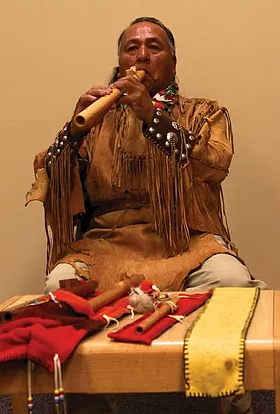 Gary Tom, former tribal chief of the Kaibab Band of Paiute Indians, was one of James Mooney's closest allies and dearest friends for over four decades. Their partnership began with a solemn vow made more than forty years ago: to devote their lives to bettering the circumstances of the Native American culture and its people. At the time, Gary was serving as Director of Education for the Paiute Tribes. James had just stepped onto the medicine path.
Gary Tom was the first Custodian of the Medicine for Oklevueha Native American Church, a profound honor that reflected the depth of his commitment and his standing within the community. He authored articles on Native American culture for the Utah State Historical Archives, poured water for sweat ceremonies across the country, and lent his expertise and credibility to the legal and institutional battles that would define ONAC's standing in Utah law.
His contributions were not merely spiritual. When Oklevueha's legal standing was challenged, Gary Tom stood with James Mooney. When the State of Utah needed to understand what Native American ceremony actually was, Gary Tom was there to show them.
Wil Numkena: A Bridge Between Nations and Institutions
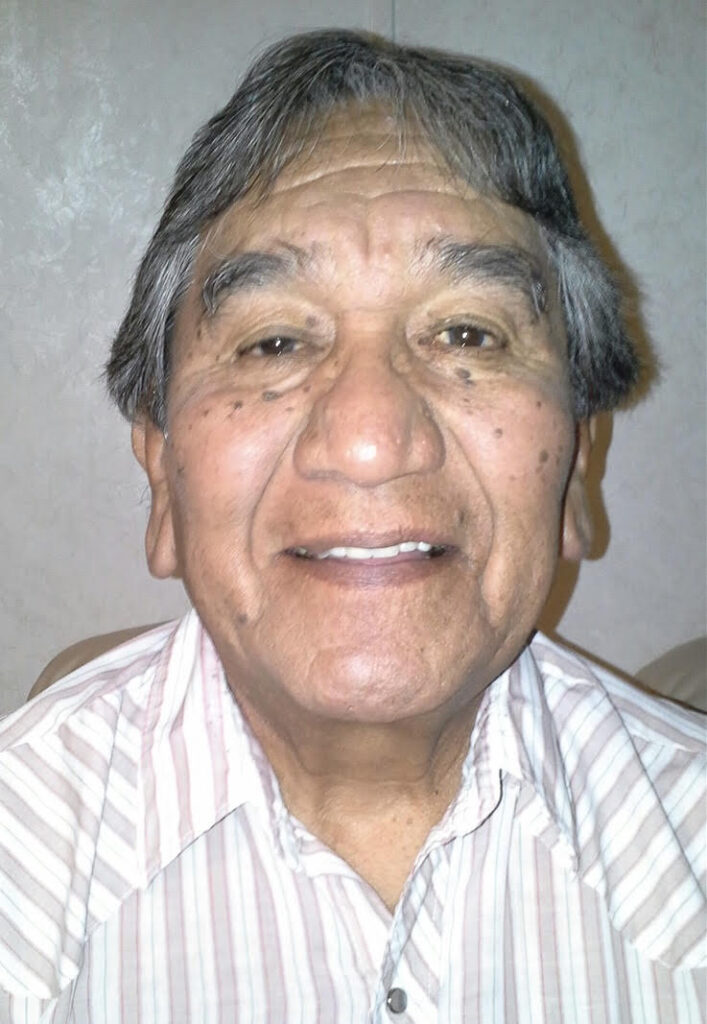 Wil Numkena, a Hopi Elder and Director of Indian Affairs for the State of Utah, brought both cultural authority and institutional access to the work. Together with Gary Tom and James Mooney, he helped institute Sweat Lodge ceremonies within the Utah Department of Corrections -- a concrete, visible demonstration that Indigenous spiritual practice had a legitimate and beneficial role inside the very institutions of the state. These were not token gestures. They were precedent-setting acts that established Native American ceremony as a recognized form of spiritual and rehabilitative practice within Utah's government structures.
Governor Michael Leavitt: Recognition from the Highest Office
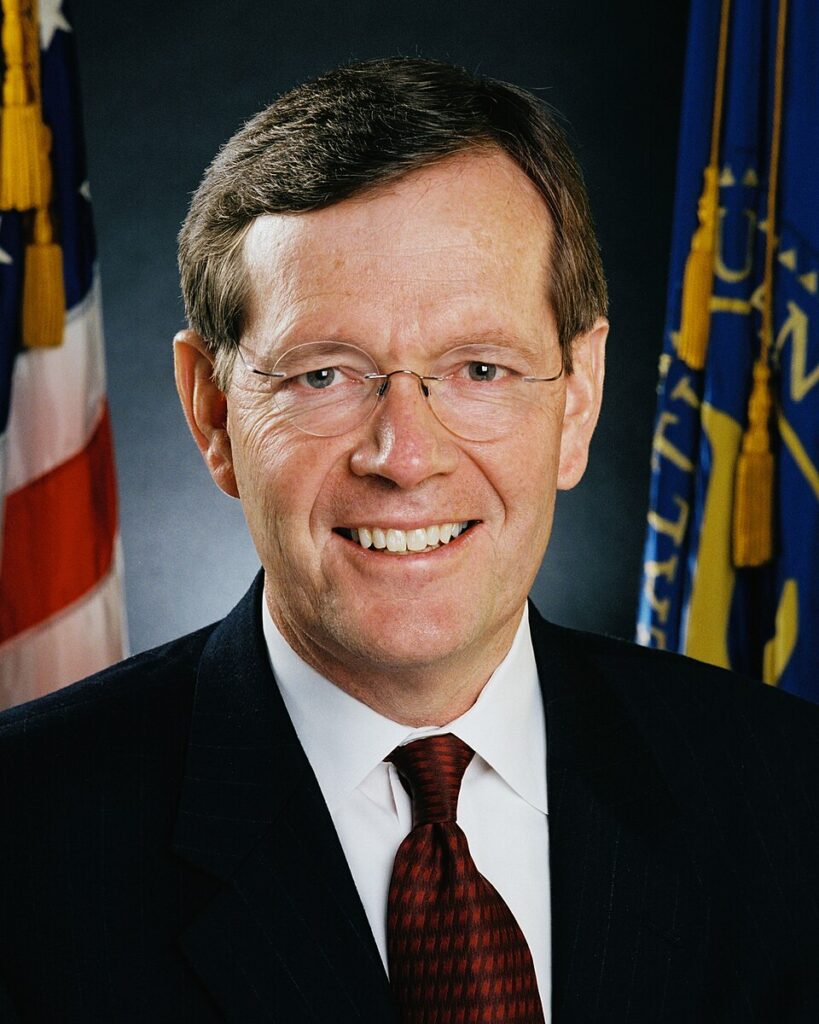 On September 10, 1993, Governor Michael Leavitt awarded James Mooney the Utah Citizens Award of Commendation -- a formal recognition by the state's highest elected official of the value James's ministry had brought to Utah's Department of Corrections and its citizens. This was not a ceremonial pat on the back. It was the Governor of Utah formally acknowledging that the work of a Native American spiritual leader constituted a meaningful public service.
That recognition mattered beyond the individual. When the Governor of a predominantly LDS state places the seal of approval on Indigenous spiritual ministry, it signals to courts, agencies, and institutions alike that this tradition carries weight. Governor Leavitt's willingness to engage with the Indigenous community with genuine respect and recognition helped lay the civic groundwork for what would follow.
James Mooney: Building the Legal Framework
The legal achievements that grew from this coalition are substantial and well-documented. The Utah State Supreme Court ruling in State of Utah v. Mooney's and Oklevueha Earthwalks Native American Church of Utah Inc. established clearly and unambiguously that Oklevueha Native American Church is a bona fide Native American Church. The Utah Department of Human Services formally confirmed that Native American ministry-based healing work does not require a state license. Utah's marriage statutes explicitly list Native American Spiritual Advisors among the authorized officiants for legal marriage ceremonies, on equal footing with ministers, priests, rabbis, imams, and bishops.
Read that list again. Ministers. Priests. Rabbis. Imams. Bishops. Native American Spiritual Advisors.
In a state where the Church of Jesus Christ of Latter-day Saints is the dominant cultural and political force, that legal equivalence is not incidental. It was fought for, earned, and cemented through decades of relationship-building, legal work, and the kind of moral persuasion that can only come from people who have proven their integrity over time.
Equal Standing, Not Special Permission
What James Mooney, Gary Tom, Wil Numkena, and Governor Leavitt accomplished together was not the creation of a carve-out or an exception. It was the establishment of a principle: that the Indigenous spiritual traditions of the Americas -- the Native American Church in all its expressions across North, Central, and South America -- hold the same legal, civic, and moral standing as any other recognized religious tradition in the United States.
That principle now lives in statute, in court decisions, and in the institutional memory of the State of Utah. It was not handed down from above. It was built, relationship by relationship, ceremony by ceremony, and case by case, by people who believed that truth, lived faithfully and presented persistently, would eventually be recognized.
It was.