
Ancient Indigenous Use of Sacred Medicines
The Ancient Roots of Sacred Plant Medicine:
Indigenous Sacramental Traditions Across Cultures
Long before the modern world turned its attention to plant medicines, indigenous peoples across every inhabited continent had already spent thousands of years cultivating deep and reverent relationships with the sacred plants in their environments. These relationships were not casual or recreational. They were woven into the spiritual, medical, and communal fabric of entire civilizations. To understand plant sacraments today is to first honor the ancient wisdom from which all of this knowledge flows.
A Living Tradition, Not a Discovery
The Western world often speaks of psilocybin, peyote, and other plant medicines as if they were recently discovered phenomena. In truth, they are among the oldest sacramental tools in human history. Archaeological evidence points to ceremonial use of sacred mushrooms in Mesoamerica dating back at least 3,500 years, with some researchers suggesting the timeline extends considerably further. Stone mushroom effigies found in Guatemala and southern Mexico speak to a devotional reverence that predates written history.
These were not casual encounters. They were carefully structured ceremonies, guided by trained healers and spiritual leaders whose knowledge was passed down through generations of oral tradition, apprenticeship, and lived experience.
Psilocybin Mushrooms: The Flesh of the Gods
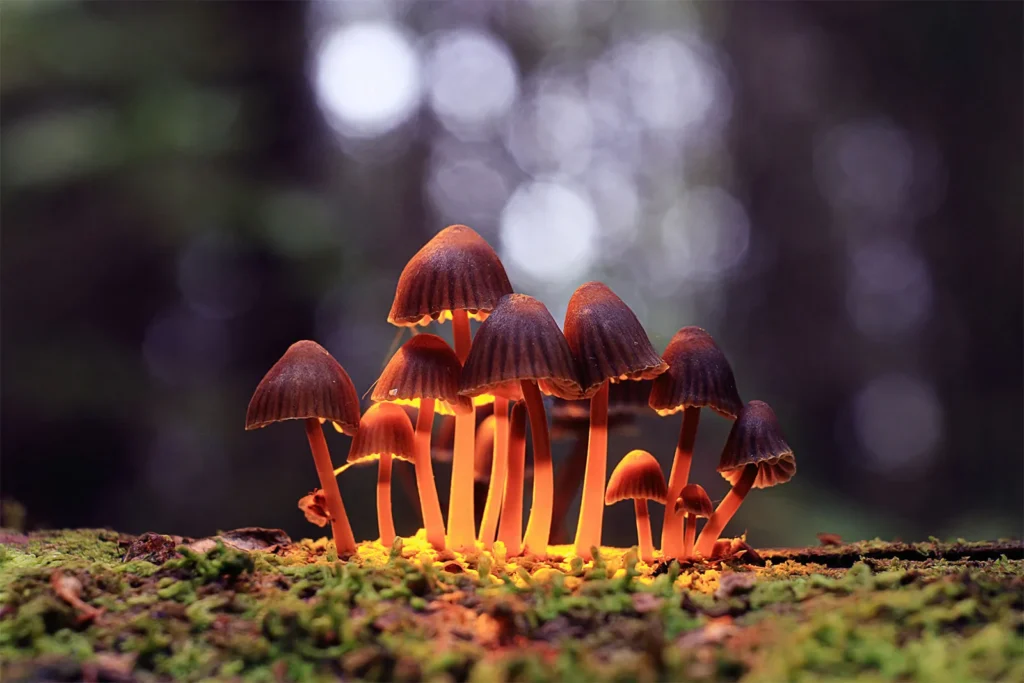
Among the Mazatec people of Oaxaca, Mexico, psilocybin mushrooms -- known as teonanacatl, meaning "flesh of the gods" in Nahuatl -- were used in healing ceremonies called veladas. These nighttime rituals were led by curanderas and curanderos, sacred healers who used the mushrooms to enter visionary states for the purpose of diagnosing illness, receiving spiritual guidance, and interceding on behalf of those in need. The mushrooms were understood not as a drug but as a living spiritual intelligence -- a divine intermediary between the human and the sacred.
The Mazatec tradition was not unique. Across Mesoamerica, from the Aztec empire to smaller regional cultures, sacred mushroom use was embedded in religious ceremony and reserved for moments of deep spiritual significance.
Peyote: The Heart of the Desert
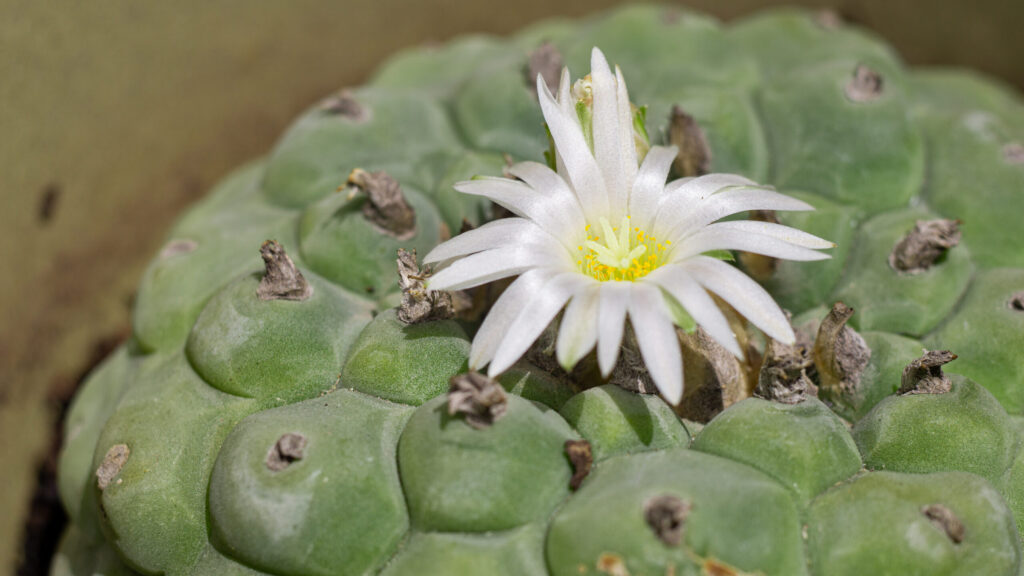
The peyote cactus, Lophophora williamsii, has been in ceremonial use among indigenous peoples of the Chihuahuan Desert and surrounding regions for at least 5,700 years, making it one of the most extensively documented sacramental plants in the archaeological record. Peyote buttons have been recovered from burial sites and ceremonial caches in what is now southern Texas and northern Mexico, offering material evidence of a tradition that stretches across millennia.
Among the Huichol (Wixaritari) people of Mexico, peyote -- which they call hikuri -- remains at the center of their spiritual cosmology to this day. The annual pilgrimage to Wirikuta, the sacred desert homeland, is one of the oldest continuous ceremonial pilgrimages in the world. Participants walk or travel hundreds of miles to harvest peyote in the same manner their ancestors did, understanding the journey itself as a sacred act of renewal and remembrance.
The Native American Church, which James Warren "Flaming Eagle" Mooney helped establish in its modern form through Native American Church, carries this ancient tradition forward. Peyote ceremonies within the NAC tradition are conducted with the same spirit of prayer, healing, and reverence that indigenous practitioners have maintained across centuries.
San Pedro Cactus: The Teacher of the Andes
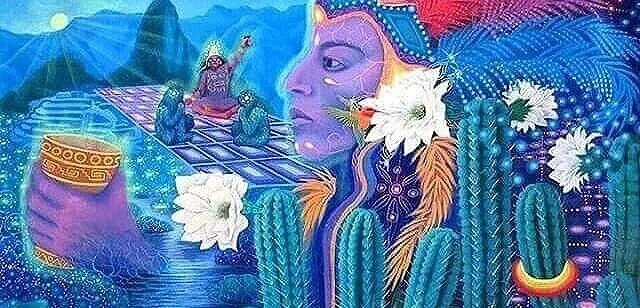
In the highlands and coastal deserts of South America, the San Pedro cactus -- known as huachuma in Quechua -- has served as a sacramental teacher for at least 3,000 years. Ceramic vessels and textile images from the Chavin culture of Peru, dating to around 1000 BCE, depict the cactus alongside sacred animal imagery, suggesting its central role in religious ceremony long before the rise of the Inca empire.
Andean healers known as curanderos and paqos have used San Pedro in ceremonial contexts for healing physical illness, resolving spiritual blockages, and connecting with the natural and divine world. These ceremonies, called mesas, are rich with prayer, song, and the careful attention of a trained practitioner who knows how to hold space for the journey a participant undergoes.
Unlike some plant medicines that were suppressed under colonization, San Pedro ceremonies survived in part because the cactus was adopted into syncretic Catholic-indigenous practice, its name a tribute to Saint Peter, the keeper of the gates of heaven. The tradition adapted and endured.
Ayahuasca: The Vine of Souls
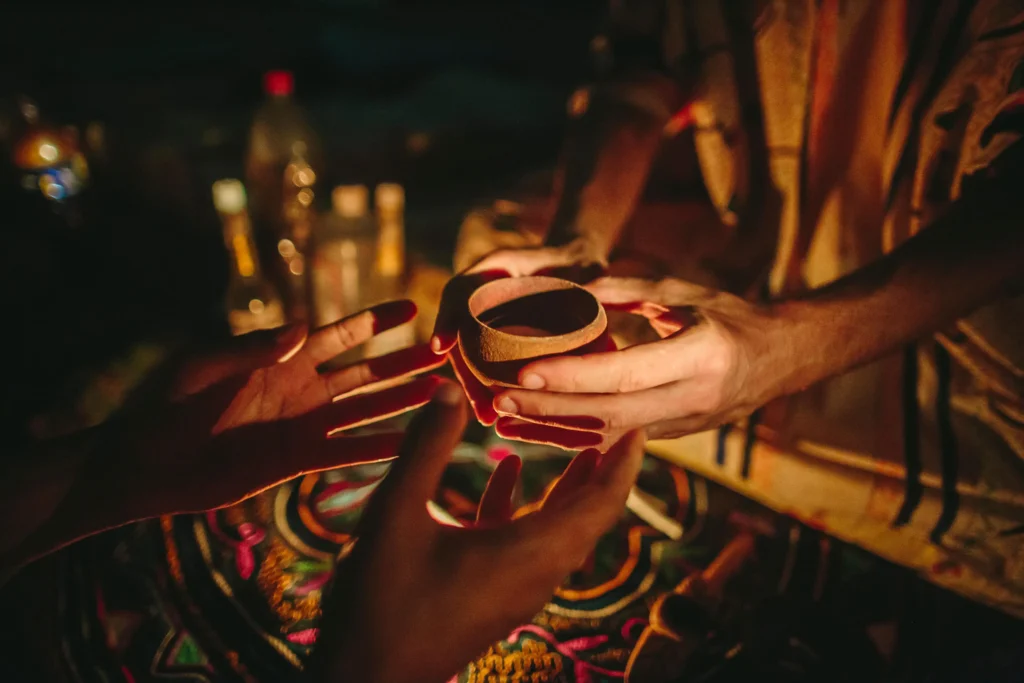
In the Amazon basin, perhaps no plant medicine commands more contemporary attention than ayahuasca, a ceremonial brew made from the Banisteriopsis caapi vine and the leaves of the Psychotria viridis plant. Indigenous peoples of the Amazon, including the Shipibo, the Shuar, and dozens of other nations, have used ayahuasca for healing, divination, and communication with the spirit world for thousands of years.
The ceremony is led by a trained healer called an ayahuascero or curandero, whose years of preparation -- often a decade or more of strict diet, isolation, and plant apprenticeship -- are considered prerequisites for holding the medicine with integrity. The healing that occurs in these ceremonies is understood to be the work of the plant spirit itself, working through the healer as a channel.
What These Traditions Share
Across cultures and continents, the ancient use of sacramental plants shares a common framework. Plant medicines were approached with reverence and preparation. Ceremonies were led by trained, spiritually accountable guides. The intention was healing, connection, and service to the community. And the plants themselves were understood as teachers and allies rather than substances to be consumed.
This is the inheritance that modern plant medicine communities are asked to honor. It is not simply a collection of techniques or compounds. It is a living body of spiritual wisdom, maintained at great cost by indigenous peoples who were suppressed, colonized, and criminalized for these very practices.
Honoring the Source
Native American Church exists within this stream of living tradition. James Warren "Flaming Eagle" Mooney has dedicated his life to ensuring that the ancient covenant between human beings and sacred plant medicines is protected, respected, and carried forward with integrity. The work of NAC is inseparable from the wisdom of the indigenous elders and healers who kept these traditions alive across centuries of persecution.
To walk with plant medicine today is to walk with thousands of years of human spiritual history. It is an honor that calls us to humility, gratitude, and the commitment to carry this sacred trust with the same care with which it was first given.