
Senator Orrin Hatch, Utah Senator and
Senator Mitt Romney

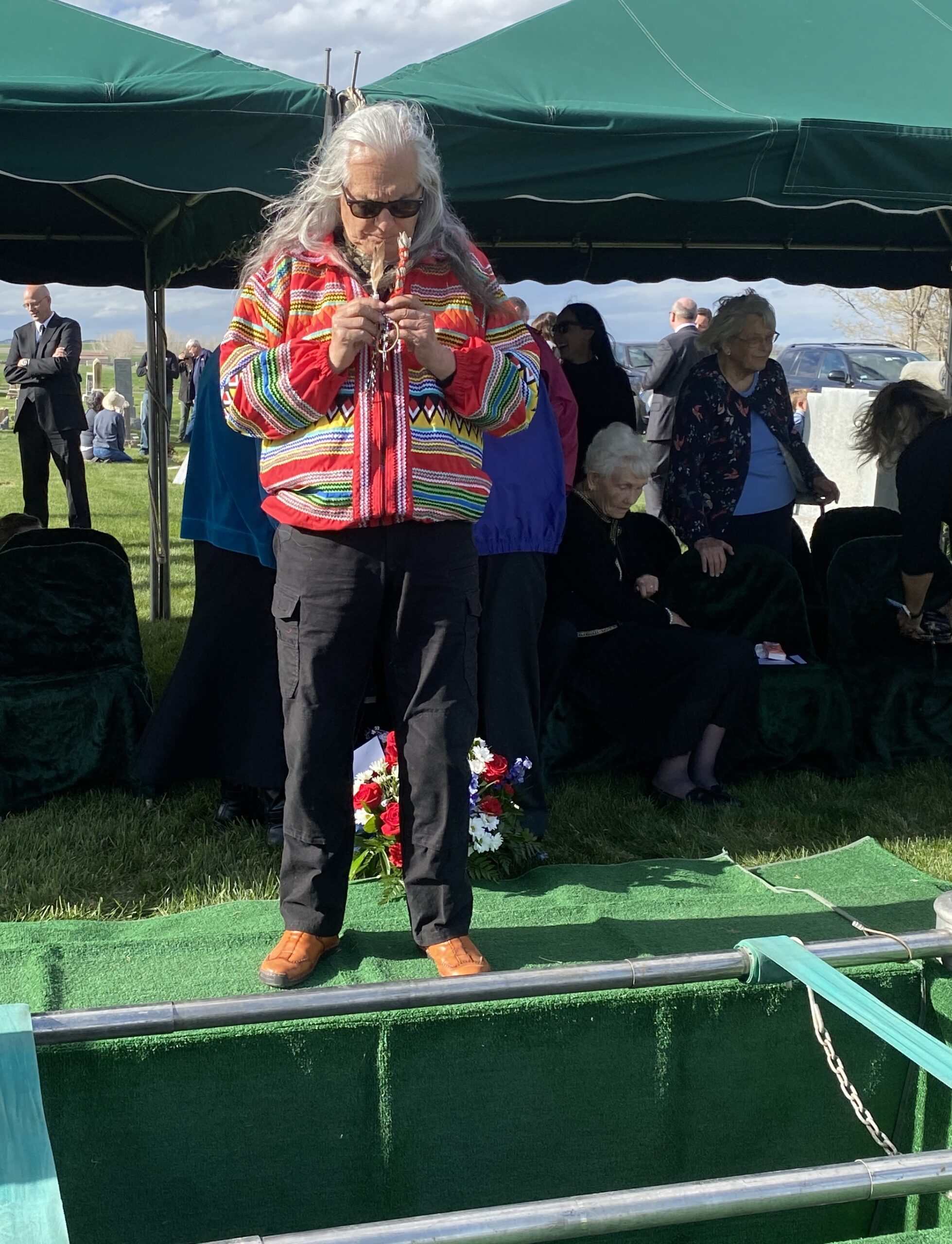
Honoring Senator Orrin Hatch
Senator Orrin Hatch, in my mind, was and will remain so to my dying day as one of the most courageous politicians I have personally experienced in the 78 years I have existed in this body of mine.
He followed the premier ethic that I was raised with, a man is only as good as his word. He was not only a man of his word he was loyal and never forgot that he was a representative of ‘all’ of his state of Utah constituent’s rather he agreed with them or not. A wonderful husband, father and patriarch of his family.
His dedication in representing the state of Utah citizenship honorably was unmovable. However he had a line he would not cross and that was concerning integrity in abiding by the ‘principles’ of his LDS Faith, and I am not referring to the cult and hate the government promoting parts of the LDS Church membership. I mean the principle based on “love thy brother as thyself”.
Senator Orrin Hatch exemplified everything that is good about being a man…
It is only fitting that the man that replaced the Honorable Senator Orrin Hatch in Utah’s Senate seat is the honorable Senator Mitt Romney.
James Warren ‘Flaming Eagle’ Mooney
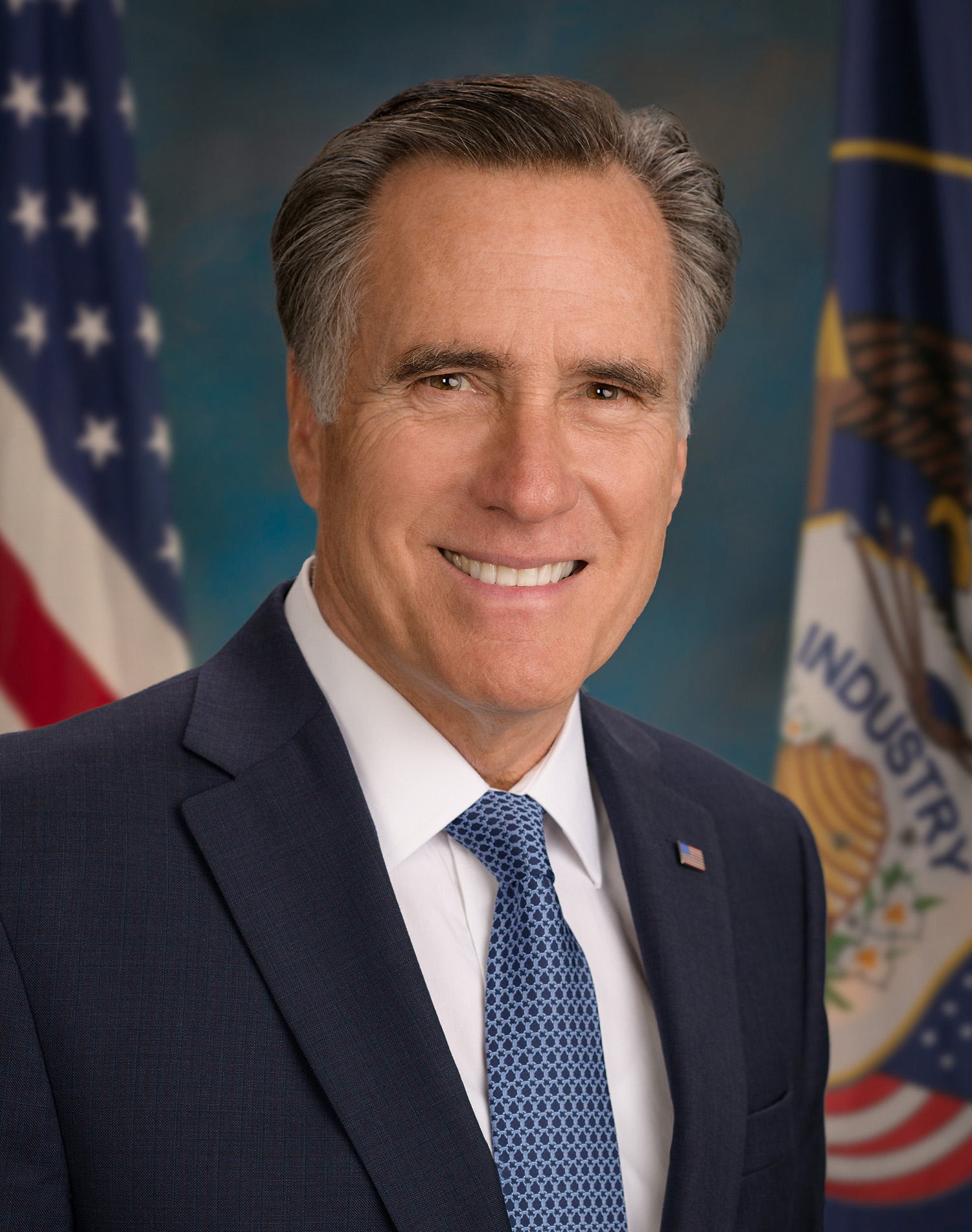
Senator Mitt Romney
Carrying the Work Forward: Senator Mitt Romney and Native American Recognition
When Mitt Romney took the Utah Senate seat long held by Orrin Hatch, he inherited more than an office. He inherited a legacy of partnership with Native communities. Senator Hatch had helped lead the passage of the Religious Freedom Restoration Act of 1993, a law that remains a cornerstone protection for Native American spiritual practice, and he worked over many years on Utah measures supporting tribes such as the Ute Indian Tribe of the Uintah and Ouray Reservation.
Senator Romney built on that foundation. Among his early efforts was the Navajo Utah Water Rights Settlement Act, which he sponsored alongside Senators Kyrsten Sinema and Martha McSally, and which was designed to resolve water claims and allocations between the State of Utah and the Navajo Nation. For Navajo families in southeastern Utah, many of whom had lived without running water, this was a practical and long overdue step toward honoring tribal rights. senate
Together, the work of these two senators reflects a principle that ONAC holds dear: that recognition of Native peoples is not a single act, but a commitment carried forward from one generation of leadership to the next.